
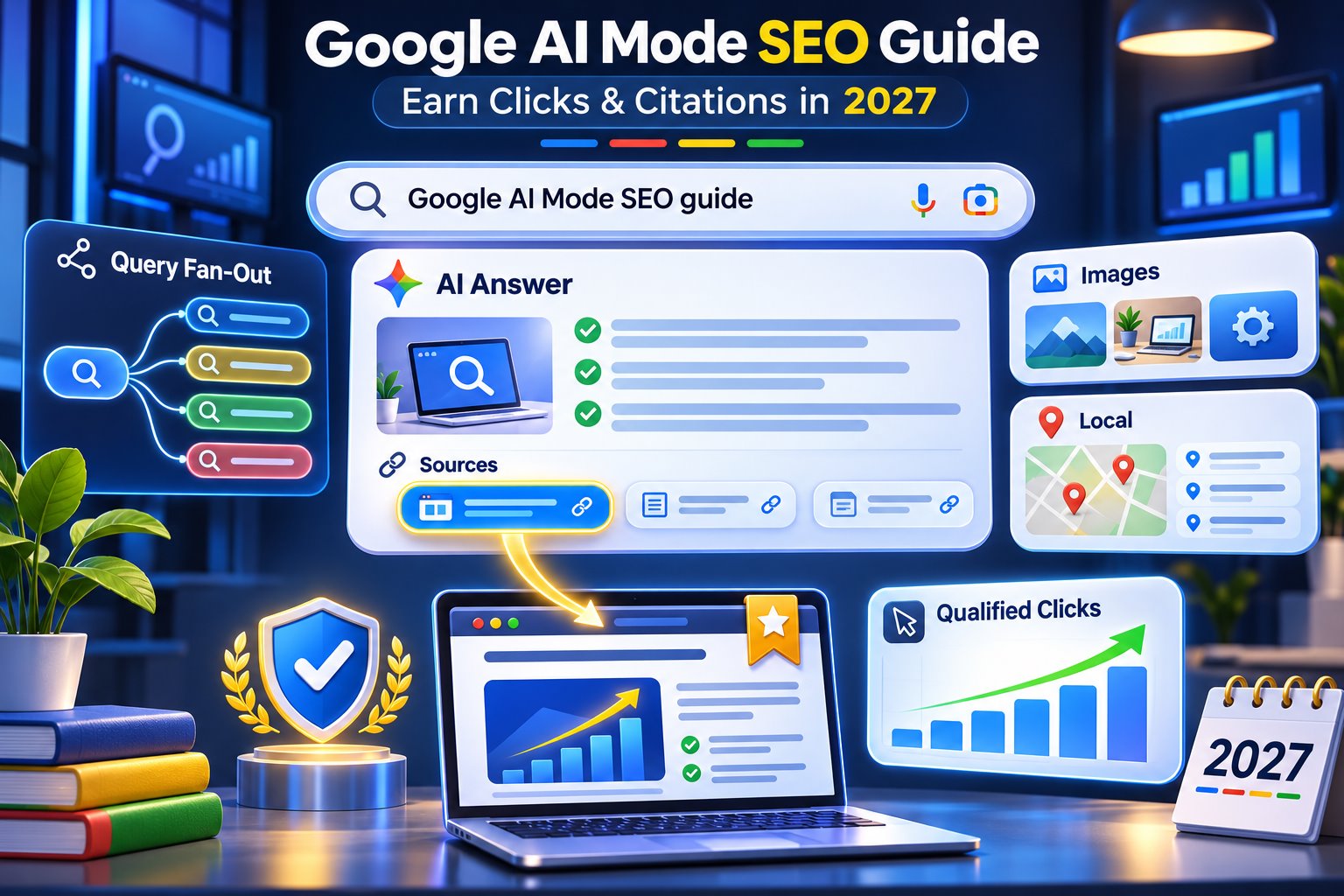
Google says normal SEO foundations remain relevant. There is no special schema that guarantees inclusion in generative features. Use structured data only when it accurately describes visible content and follows the feature’s rules.
AI search is creating longer, more complex journeys
Google says AI Mode queries are much longer than traditional searches, and planning and brainstorming behavior is growing quickly. The system can fan one question into several related searches, then assemble information from multiple sources.
That creates opportunities for focused expert pages. A smaller site may not win a broad keyword, but it can become the best source for a specific sub-question, comparison, checklist or first-hand observation.
Technical SEO is still the entry ticket
- Allow Googlebot to crawl the page and important assets.
- Use indexable HTML, stable URLs and accurate canonical tags.
- Build meaningful internal links from related services and articles.
- Keep mobile pages usable and fast.
- Use descriptive titles, headings, alt text and link text.
- Submit a valid sitemap and monitor indexing in Search Console.
If Google cannot reliably fetch, render and understand the page, adding an “AI optimization” paragraph will not fix the foundation.
Original value is the strongest differentiator
Google’s guidance emphasizes unique, non-commodity content. For a developer, that might be a documented debugging process, screenshots from an allowed test environment, a comparison built from the same project brief or a clear explanation of a tradeoff seen in real work.
Do not invent experiments or results. “I audited 20 sites” is valuable only if the audit happened and the numbers were recorded. Honest limitations improve trust.
Make the page easy to quote without writing for robots
- Answer the main question early in one precise paragraph.
- Use descriptive headings that map to real follow-up questions.
- Separate facts, recommendations and uncertainty.
- Link primary sources near the claims they support.
- Use tables or steps only when they improve understanding.
- Keep author, date, service and contact information consistent.
FAQ sections help when they answer genuine user questions. Repeating the keyword in ten thin answers does not create expertise.
Give the searcher a reason to leave the answer
A generic definition can be summarized completely. A diagnostic tool, template, original visual, case study, calculator, detailed comparison or implementation checklist offers the next step.
Google has increased inline links and source context in its AI experiences. Your job is not only to be mentioned. It is to make the page behind the link worth opening and the next action obvious.
Measure qualified visibility, not only blue-link position
Track indexed pages, impressions, query groups, landing-page clicks and conversions in Search Console and analytics. AI experiences can change the wording and length of queries, so group topics and intents instead of watching one exact phrase.
Expect reports to lag. Indexing requests and sitemap submissions are discovery tools, not ranking controls. Sustainable gains come from better pages, stronger internal connections and reputable mentions.
Official sources
AI visibility is not a separate layer you paste onto weak content. Build the best source for a specific question, make it technically accessible and offer a next step worth clicking.