WordPress architecture
 Wajih Shaikh
Elementor or a custom WordPress theme?
The right choice is not the one with the loudest marketing. It depends on who edits the site, how distinct the design is, what functionality is required and how the website will evolve.
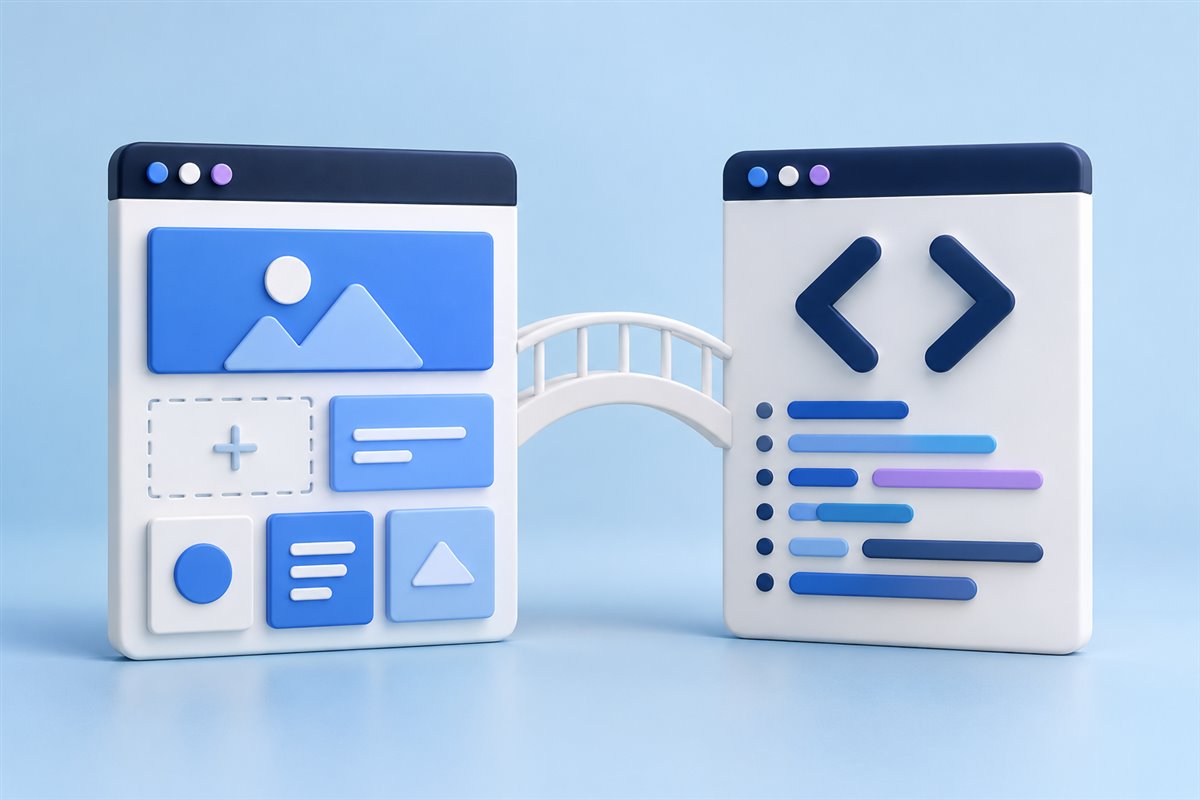
Is Elementor or a custom theme better? Neither is automatically better. Choose around the editing workflow, content structure, functionality and maintenance budget. A disciplined builder site can be a better fit than custom code the client cannot maintain.
Choose Elementor when visual editing matters
Elementor can be a good fit for marketing sites where a non-technical team needs to compose pages, reuse approved sections and adjust content without a deployment.
Choose a custom theme when the system is the product
Consider a custom theme when the content relationships, template rules or application-like behavior need tighter control. “Custom” does not have to mean hard to edit: a block theme can offer editing through WordPress’s Site Editor.
The WordPress Theme Handbook describes block and classic theme approaches. The editor and maintenance plan should be part of the technical decision.
| Decision | Elementor approach | Custom-theme approach |
|---|---|---|
| Who edits? | Useful for teams composing marketing pages visually. | Define a suitable block editor or structured-field workflow. |
| How much freedom? | Agree on global styles and reusable sections to limit drift. | Use purpose-built templates and controlled editing where needed. |
| What is custom? | Check which requirements fit native tools and which need code. | Plan development and testing for the specific functionality. |
| Who maintains it? | Include licenses, updates and builder compatibility in the handover. | Include code ownership, documentation and an update plan. |
A hybrid approach is often sensible
Custom post types, ACF fields and carefully controlled Elementor templates can provide structured content with practical visual editing. The boundary between structured data and free-form layout needs to be explicit.
Elementor’s dynamic-content documentation explains how templates can draw on post data and custom fields. Confirm that the chosen license and widgets support the requirements before committing to a build.
The maintenance model should decide
A website that is fast on launch but impossible for the client to update is not successful. Neither is a flexible editor that lets every page drift away from the design system.
Decide how the site will be edited before deciding how it will be built. Then choose the smallest, most maintainable system that supports the required design and functionality.
Explore my Elementor service or custom WordPress development. The Rennie Curran case study shows the scope of a content-rich WordPress project.